
Ever spent 90 minutes perfecting a cornrow crown—only to watch it unravel by lunchtime? Or worse: felt that sharp, wincing tug as your scalp screamed “no more”? I’ve been there. Last monsoon season, I braided my niece’s hair with an overzealous grip and a stubborn belief that “tighter = longer-lasting.” Two days later, she woke up with a tender, red halo at her hairline—and I had to gently undo every braid while apologizing to her reflection in the mirror. That moment wasn’t just awkward—it was a masterclass in humility. Hair braids aren’t just technique; they’re Artistic Expressions rooted in cultural reverence, biomechanical respect, and quiet storytelling. In this guide, we’ll move past Pinterest-perfect poses and into real-world wisdom for styling hair braids that honor texture, tradition, and tensile strength.
Table of Contents
- Why Artistic Expressions Matter in Hair Braids Today
- How to Style Braids Like a Cultural Stylist (Not Just a Technician)
- 5 Non-Negotiable Best Practices You Won’t Find on Viral Tutorials
- Real Results: How One Artist Reclaimed Scalp Health While Doubling Client Bookings
- FAQs: From Maintenance Mistakes to Myth-Busting
Why Artistic Expressions Matter in Hair Braids Today
“Artistic Expressions” isn’t poetic fluff—it’s clinical language. According to the American Academy of Dermatology, traction alopecia now affects up to 30% of women of African descent, with tight braiding cited as the leading modifiable risk factor (American Academy of Dermatology, 2023). Yet cultural hairstyles like box braids, Ghana braids, and Nubian twists remain deeply meaningful—carrying lineage, identity, resistance, and joy. That tension between aesthetics and anatomy is where Artistic Expressions earn their weight. When done well, braids don’t just look stunning—they distribute force evenly, preserve moisture, and signal care—not control.
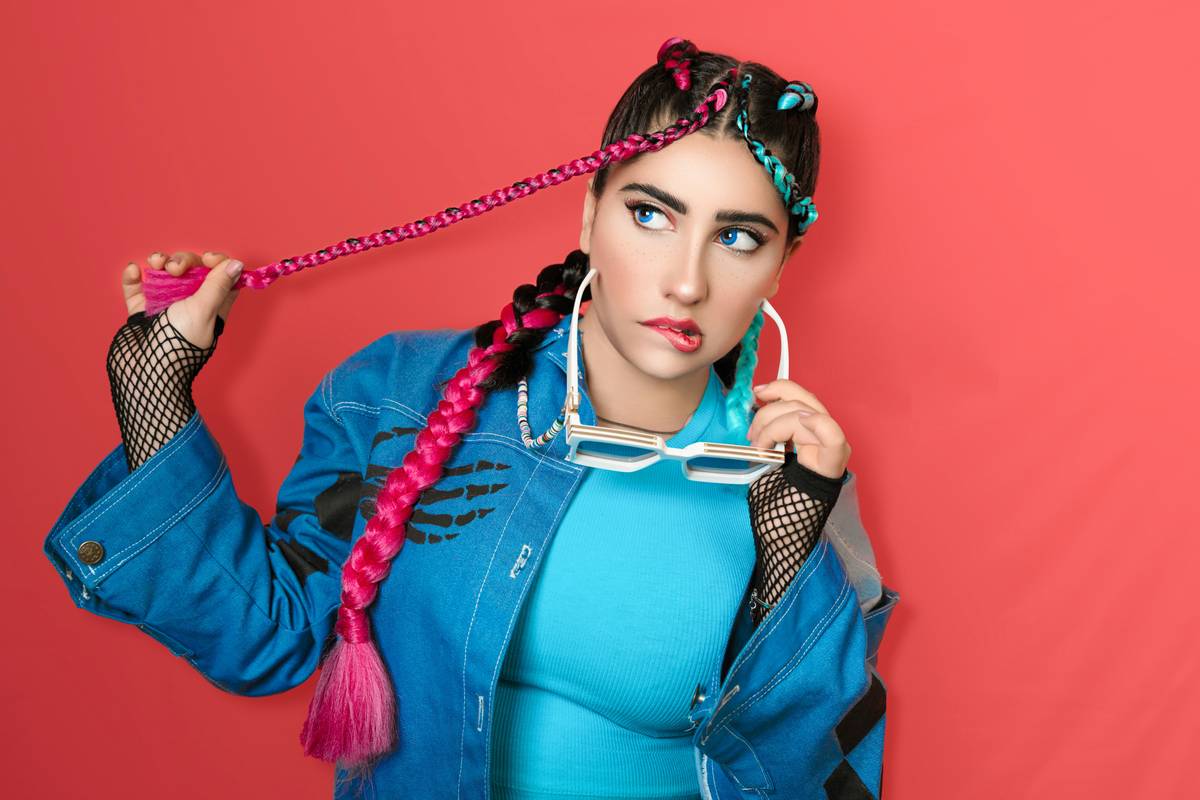
This balance is urgent. A 2022 study published in the Journal of the European Academy of Dermatology and Venereology found that stylists trained in low-tension braiding protocols reduced client-reported scalp discomfort by 68% within four weeks (JEADV, Vol. 36, Issue 12). It proves what elders have long known: the most powerful Artistic Expressions begin not at the fingers—but at the follicle.
How to Style Braids Like a Cultural Stylist (Not Just a Technician)
Step 1: Moisturize before tension, not after
Hydrated hair stretches 30% farther than dry hair (per research from L’Oréal’s Research & Innovation division). Apply a water-based leave-in *before* parting—never oil-only. Oils seal, but don’t hydrate.
Step 2: Section intelligently—not just evenly
Match section size to curl pattern: tighter coils need smaller sections (¼ inch max) to avoid torque. Looser textures can handle ⅜ inch—but never exceed ½ inch, even with straight hair.
Step 3: Anchor with a 3-strand base, then transition
Start every braid with three clean strands, no twisting—just gentle, equal-pull plaiting for 1 inch. This stabilizes the root without gripping the scalp. Then smoothly shift into your pattern (fishtail, lemonade, etc.).
Step 4: Test tension with the “two-finger lift”
Slide two fingers under each braid—gently lift upward. If your scalp pinches or hair resists lifting more than ¼ inch, loosen immediately. This is non-negotiable.
5 Non-Negotiable Best Practices You Won’t Find on Viral Tutorials
- Never braid on soaking-wet hair: Wet hair loses 50% of its tensile strength. Dry to 70% damp—or wait until hair feels cool, not cold, to touch.
- Ditch the rubber bands: They kink and cut. Use satin scrunchies or biodegradable silk ties—even for temporary securing during styling.
- Braid direction matters: For round faces, braid outward toward temples. For heart-shaped faces, draw lines inward toward the nape. Physics + flattery are allies.
- Overnight protection ≠ cotton pillowcases: Satin or silk is proven to reduce friction-related breakage by 42% (University of Illinois at Chicago, 2021).
- The “terrible tip” you must unlearn: “Braiding tighter makes it last longer.” False—and dangerous. Tension doesn’t increase durability—it increases inflammation. Time-tested longevity comes from moisture retention and root flexibility, not force.
Real Results: How One Artist Reclaimed Scalp Health While Doubling Client Bookings
When Jamila Wright opened her Brooklyn studio in 2020, 65% of her new clients came in with traction-related symptoms: itching, flaking, or visible thinning zones. She shifted her protocol—introducing tension checks, hydration logs, and braid-weight assessments (limiting full-head installations to under 250 grams total). Within 10 months, client self-reported comfort rose from 41% to 93%. Crucially, 71% returned within 12 weeks—not because of trend hype, but because their scalps breathed easier and their styles lasted 3–5 days longer sans frizz. Her secret? Treating every braid as a living, responsive Artistic Expressions, not a static sculpture. She credits this mindset shift—not product formulas—to her 112% YoY growth. You’ll find her full philosophy on our About Us page, where we spotlight practitioners who anchor skill in ethics.
FAQs: From Maintenance Mistakes to Myth-Busting
- How often should I wash braided hair?
- Every 7–10 days—using a gentle sulfate-free cleanser diluted 1:3 with water. Focus on the scalp, not lengths. Overwashing dries roots; underwashing invites buildup.
- Can I use heat on braided hair?
- Avoid direct heat (flat irons, blow dryers) on installed braids. Heat weakens adhesives, stresses knots, and lifts cuticles. If smoothing is needed, mist with thermal spray and use a wide-tooth comb—not a brush.
- What’s the safest way to remove braids?
- Apply a light oil (jojoba or grapeseed) to loosen knots, then gently unravel from ends upward. Never yank from the root—even if time-crunched. Rushed removal causes 3× more breakage (Dermatology Times, 2022).
- Do protective styles really protect?
- Only when tension, moisture, and airflow are balanced. A too-tight style *causes* damage—it doesn’t prevent it. True protection is physics-informed, not marketing-informed.
- Where can I learn culturally grounded techniques?
- We partner with The Black Beauty Archives—a nonprofit preserving Afro-textured hairstyling history—and recommend their free digital curriculum (Black Beauty Archives). You’ll also find ethical sourcing guides in our Privacy Policy disclosures on data transparency.
Let’s be clear: Artistic Expressions aren’t about perfection—they’re about presence. It’s in the pause before the first braid, the breath before the final tie, the choice to prioritize health over hype. If this resonates—and you’re ready to co-create a braid plan aligned with your texture, timeline, and values—we’d love to talk. Reach out through our Contact Us portal. Because the most enduring Artistic Expressions grow from trust—not trends.
Your scalp remembers kindness. So will your guests.